Wholesale Medicated Oil Order Planning: Lead Times, Shelf Life and Replenishment
News Details
Wholesale medicated oil orders should match sales demand without leaving excessive stock in the warehouse. For importers, pharmacy chains, and regional distributors, this requires more than a competitive quote. Production timing, carton quantities, and remaining shelf life all affect how much to buy and when to reorder.
A practical purchasing plan connects the manufacturer’s confirmed schedule with the buyer’s sales forecast. It also specifies which approvals must be completed before production can begin.
Shanghai Zhonghua Pharmaceutical Co., Ltd. manufactures Dragon & Tiger and Temple of Heaven cooling products. Its range includes essential balm, medicated oil, and related personal care items, providing several product options for wholesale inquiries.
Build the Forecast Around Individual Products
Start with an estimate for each stock item rather than a single total for the entire range.
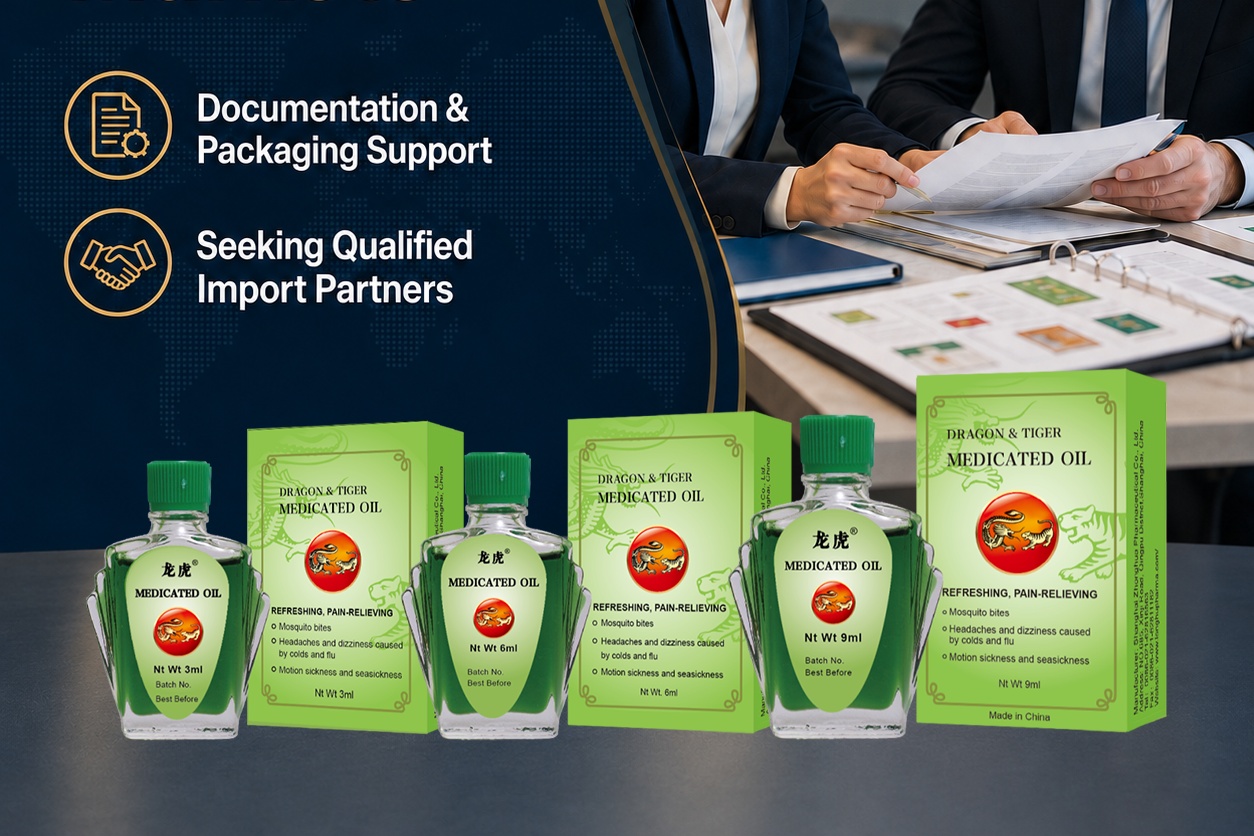
The Dragon & Tiger medicated oil portfolio includes 3ml, 6ml, and 9ml glass-bottle formats. Buyers should forecast each size separately because sales rates and carton requirements may differ.
For an existing range, use recent sales, confirmed retailer orders, and planned promotions. For a new launch, separate committed demand from estimates.
Record three figures:
- Expected weekly sales.
- The quantity needed for initial store placement.
- Additional stock proposed for uncertainty or promotional demand.
This gives the manufacturer a clearer view of the order while helping the buyer avoid counting the same demand twice.
Ask What the Quoted Lead Time Includes
A lead time is useful only when its starting and ending points are clear.
Ask whether the schedule begins after payment, sample approval, artwork approval, or confirmation of all materials. Then establish whether it ends when production finishes or when the shipment is ready for collection.
| Stage | Detail to Confirm |
| Order confirmation | Final product codes, quantities, and commercial terms |
| Pre-production approval | Samples, artwork, and packaging specifications |
| Material preparation | Availability of bottles, closures, labels, and cartons |
| Manufacturing | Planned production window |
| Release and packing | Checks and documents required before dispatch |
| Delivery | Collection, freight, and destination receiving time |
Request a project-specific schedule. Avoid applying the timing from one product or previous shipment to a different configuration without confirmation.
Allow Time for Packaging and Artwork Decisions
An unchanged repeat order may involve fewer approval steps than a new packaging project. Therefore, identify all changes before requesting a delivery date.
A new label, local-language box, or bottle closure may require separate review. Late changes may also affect materials already purchased for the order.
Long Hu’s published medicated oil OEM project outlines formula review, packaging development, and multilingual label preparation before production. It illustrates why these tasks should be included in the initial schedule.
Agree on an artwork approval deadline. Also, name the person authorized to approve files so the manufacturer receives one clear decision.
Define Remaining Shelf Life at a Specific Point
Total shelf life and remaining shelf life are distinct purchasing measures.
Total shelf life refers to the stated period for the product under its specified conditions. Remaining shelf life is the time left when the buyer receives or distributes the goods.
Set the required remaining period at a clearly defined point, such as dispatch or warehouse receipt. Then account for:
- International freight and destination handling.
- Time spent in the distributor’s warehouse.
- Retailer receiving requirements.
- Expected time on store shelves.
Confirm the actual shelf life and storage conditions for the selected item. These should be based on its current documentation rather than another product in the same range.
Calculate a Reorder Point Using the Full Supply Cycle
A reorder point helps the purchasing team act before available stock becomes too low.
A basic planning formula is:
Reorder point = expected demand during replenishment lead time + safety stock
For illustration, suppose a distributor sells 200 units per week. If the confirmed replenishment cycle is eight weeks and the buyer holds 400 units of safety stock, the reorder point is:
200 × 8 + 400 = 2,000 units
These figures are an example, not Long Hu’s production terms.
Review stock position using usable inventory plus confirmed incoming quantities, minus committed demand. Adjust the calculation when sales or delivery conditions change.
Match Order Quantities to Commercial Cartons
The calculated requirement may not align with a full carton quantity. Therefore, request the current packing configuration before finalizing the purchase order.
Confirm units per carton, carton dimensions, and gross weight for each item. Then assess how rounding the order affects cash flow, storage, and expected stock coverage.
Also, distinguish the factory minimum order from the quantity that makes sense for your business. Meeting a minimum does not guarantee the stock will sell within your planned period.
For mixed orders, ask whether products will be ready together and how separate production dates could affect dispatch.
Agree on Shipment and Batch Allocation
A single large delivery and several smaller deliveries have different cost and inventory implications. Discuss the available arrangements with the supplier before placing the order.
Confirm whether split dispatch is possible, whether it incurs additional charges, and who is responsible for holding any goods awaiting collection.
Where more than one batch is supplied, request clear batch quantities and date information in the packing records. This helps receiving teams maintain traceability and allocate stock by expiration date.
Additionally, share the expected transport and storage conditions so packaging and shipping requirements can be reviewed for the specific product.
Frequently Asked Questions
What is the minimum wholesale order?
Request the current minimum for each product and packaging version. Confirm whether mixed-product orders are available.
Can the manufacturer guarantee an urgent shipment?
Ask for a written assessment based on materials, approvals, and production availability. An urgent request alone does not confirm a dispatch date.
How often should buyers update the forecast?
Review it when sales, promotions, or supply conditions change. Share significant changes early so the manufacturer can assess their impact.
Are OEM and private label projects available?
Long Hu lists OEM manufacturing and private label inquiries among its business options. Development scope, quantities, and schedules require individual confirmation.
Prepare Your Next Wholesale Inquiry
Review theLong Hu product range and send your selected items, estimated quantities, destination, and required receipt date. Include packaging needs and remaining shelf-life requirements to request a quotation and supply schedule that align with your distribution plan.


